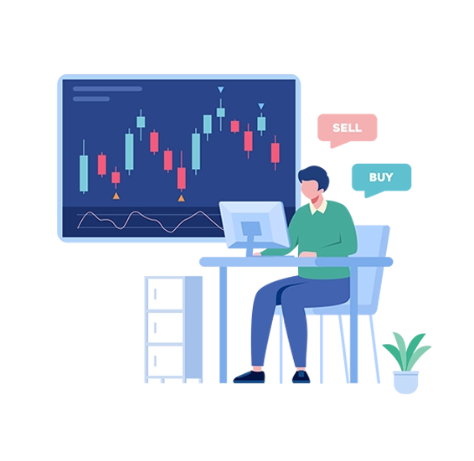
What is Algorithmic Trading?
Algorithmic trading uses computer programs to make or execute trading decisions based on predefined rules. These rules may involve price, time, volume, volatility, or risk limits. A system can apply them consistently, but results depend on the underlying idea, code, data, and execution. Not every algorithm is high-frequency; a strategy evaluated on a daily bar is also algorithmic.
Key Components
- Idea and Rules: The trading concept translated into codified instructions.
- Data and Code: Historical data for testing and the code that implements the rules.
- Execution: How orders are sent to a broker, which can affect speed and slippage.
- Testing and Risk Management: Backtesting, monitoring, and disciplined execution to manage risk.
Why It Matters
- Repeatability and Scale: Automated rules enable consistent decision-making and processing of large data sets.
- Speed and Efficiency: Systems can react faster than manual trading, depending on data, infrastructure, and broker connectivity.
- Accessibility: Modern platforms enable researchers and traders to test ideas without bespoke infrastructure.
Automation can reduce manual hesitation while preserving human oversight where desired. The approach has become central to modern capital markets, reflected in regulatory analyses of algorithmic trading practices.
Workflow Overview
- Idea to Rule: Convert a trading concept into explicit criteria.
- Backtesting: Validate the rule against historical data to assess viability and risk.
- Paper/Live Testing: Demo or small-scale deployment to observe real-time behavior.
- Monitoring and Adjustment: Ongoing supervision to ensure performance and risk controls.
For researchers and traders using integrated tools: platforms can pair charting with strategy development and testing, while execution remains a separate layer through brokers.
Industry Context
Algorithmic trading is widely used across markets for equities, ETFs, crypto, forex, and commodities. Its appeal lies in systematic decision-making, data-driven insights, and potential efficiency gains, while acknowledging the need for robust data quality, credible testing, and proper risk controls.
Practical Implications for Professionals
- Technology: Emphasizes reliable data pipelines, low-latency execution, and scalable infrastructure.
- FinTech: Enables new trading products, risk controls, and accessible research workflows.
- Capital Markets: Supports disciplined strategy validation and operational risk management.
Ultimately, successful algorithmic trading hinges on sound ideas, rigorous testing, high-quality data, and disciplined execution practices.
Source note: This overview summarizes principles discussed in industry literature and practitioner guides, including the LuxAlgo guide on algorithmic trading.
Sources
Original article: What Is Algorithmic Trading? A Complete Guide